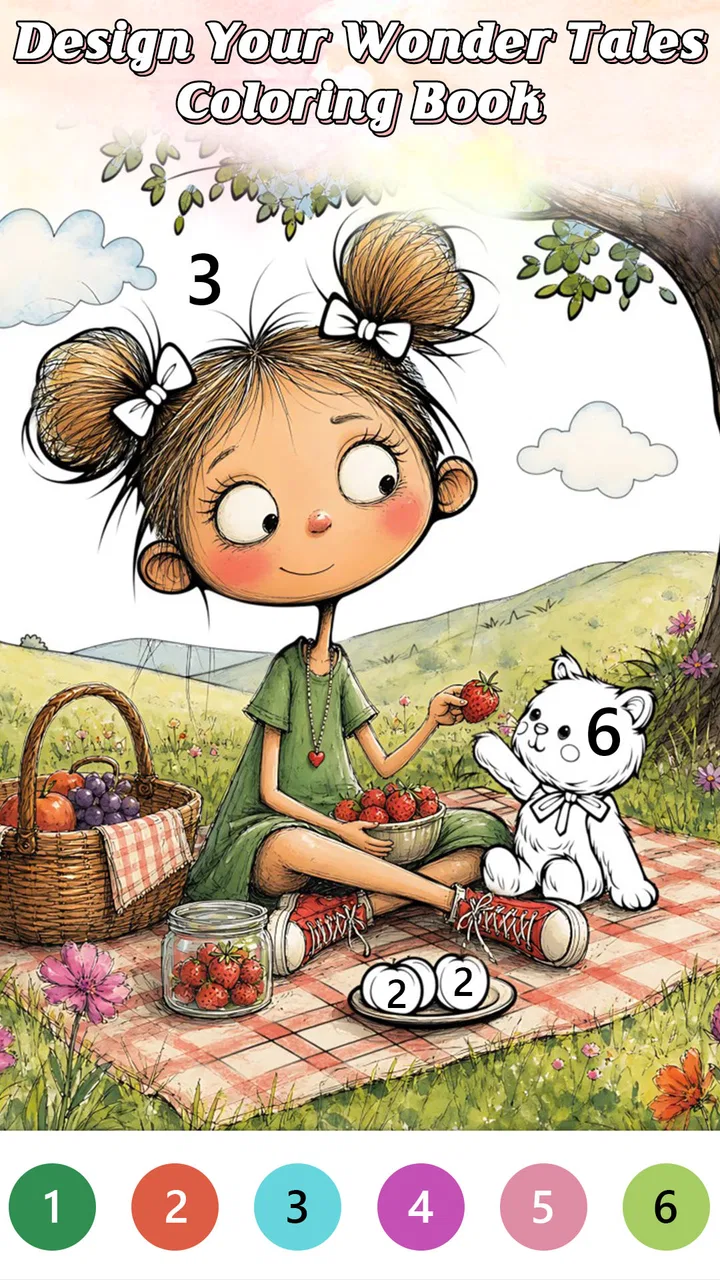
Wonder Tales Coloring Book
- 4.9
- Rating
- 100.00K
- Installs
- Free
- Price

 Analysis by App-foxy
PopArt Color Paint By Number is the kind of board game I open when I want a quiet activity with a clear finish line. Instead of asking me to plan several moves ahead or compete against another player, it turns coloring into a simple, structured routine: choose an image, follow the numbered areas, and gradually watch a vintage-inspired picture come together. That makes it easy to understand within moments, but there is still a satisfying rhythm in learning how to work through each design efficiently.
After spending time with it, I see the game as a good fit for people who enjoy coloring but prefer guidance over a completely blank canvas. The number system removes the pressure of choosing a palette, while the pop-art presentation gives the finished images more personality than a plain collection of geometric exercises. It is free to start, suitable for Everyone, and developed by LoveColoring Game. The game is available for devices running Android 8.0 or later.
How the basic coloring routine feels in daily use
The central workflow is deliberately uncomplicated. I select a picture, identify the numbered color area, and tap the matching spaces until the section is complete. Then I move to another number and repeat the process. That sounds basic, but the small sense of progress works well when I only have a few minutes available. I can stop after filling one color group and return later without having to remember a complicated game state.
You May Also Like

 Blood Strike: 2.5 Anniversary
Blood Strike’s Loadouts Turn Every Drop Into a Tactical Gamble
A close look at Blood Strike’s custom loadouts: how fast access to signature weapons reshapes its battle royale rhythm, rewards preparation, and narrows the gap between fights.

 Pandora - Music & Podcasts
Pandora’s Music Is Easy to Start, but Harder to Recover
Pandora’s strength is its low-effort path from a seed to a station. Its weak spot is how much confidence it asks you to place in connection, setup, and quiet recovery.

 8 Ball Pool
 Is Built on Rivalries, Rematches, and Routine
A close look at the rivalries, rematches, shared routines, and unanswered safety questions that turn a quick pool match into a persistent mobile community.

 Samsung Music
’s Quiet Strength Is Playing What You Already Own
Its reach comes less from spectacle than from dependable access to a personal library. That simplicity is both the app’s strongest retention engine and its ceiling.

 AccuWeather: Weather Radar
AccuWeather Review: A Quick, Clear Forecast for Everyday Decisions
For everyday plans, the best forecast is the one you can understand quickly. AccuWeather makes rain timing, radar, and local conditions easy to act on, with a few trade-offs.

 Hill Climb Racing
Why Hill Climb Racing Still Turns Crashes Into One More Run
A tiny car, a bumpy hill and one more upgrade: Hill Climb Racing keeps resurfacing because its simple chaos makes every near-miss feel personal.
More From Our News Desk
View All News


I especially like this structure after a busy day. For example, if I have a short break before dinner, I can open a design and complete a handful of areas without committing to a long session. There is no opponent waiting for my turn and no complicated puzzle position to reconstruct. The activity is closer to guided digital coloring than traditional board play, which is important when deciding whether it matches your expectations.
The numbered approach also makes the game approachable for someone who does not consider themselves artistic. I do not need to know which colors complement one another or worry about ruining the composition. The design has already established the visual plan. My job is to follow it carefully. That can feel relaxing, although players who want complete creative control may find the restrictions limiting.
One useful habit is to avoid jumping randomly between numbers. I get a smoother experience when I choose one color and search the image for its remaining spaces before moving on. This reduces the repeated mental switching between shades and makes the picture change in a more noticeable way. It also helps when an image contains many small sections that are easy to overlook.
Another practical approach is to begin with the larger areas. Completing broad sections gives the picture a recognizable shape sooner, which makes it easier to see where the smaller details belong. I then use the tiny spaces as a final cleanup stage. This is not a special game mode or hidden tool; it is simply a repeatable method that makes the ordinary coloring process feel less scattered.
The vintage pop-art direction is a strong part of the identity. The images are designed around bold visual ideas rather than realistic painting practice, so the result feels more like a poster gradually being assembled. That style suits short sessions because even partial progress can make the image look noticeably different. It also gives the finished work a more decorative feel than a generic number-coloring sheet.
Still, the straightforward loop can become repetitive. If you need an app with story progression, tactical decisions, competitive scoring, or constant new challenges, this will not replace a conventional board game. Its appeal comes from concentration and completion, not from strategic depth. I would describe it as a calming board-category game with a coloring focus rather than a traditional tabletop adaptation.
Settings and small choices worth checking first
Before settling into a long session, I recommend looking through the available in-game controls and adjusting anything that affects comfort. On a phone, the most important issue is usually how easily I can identify small numbered spaces and tap them accurately. A relaxed grip, a clean screen, and a comfortable brightness level make more difference here than rushing through the picture.
I also prefer to use the game in a quiet setting when working on detailed images. Background distractions make it easier to tap the wrong area or lose track of which number I am following. The game does not demand sound to explain a complex mechanic, so I can treat audio as optional and keep the experience unobtrusive when I am using it in a shared room or during a short pause.
The free entry point is helpful for testing whether the coloring style suits me before spending anything. At the same time, in-app purchases range from $0.99 to $9.99 per item, so I would check the purchase prompts carefully rather than assuming every available picture or option is included at no cost. For families, this is worth discussing before handing the device to a child, even though the content rating is Everyone.
I would also keep the current version in mind when troubleshooting. The release I reviewed is version 1.0.3, so a problem may be connected to the particular device or software environment rather than to the coloring idea itself. My practical advice is to keep the app updated through the normal platform process and close other demanding apps if the phone feels slow. Those are ordinary maintenance steps, but they matter more during detailed tapping than they do in a turn-based game.
Because the game is intended for Android 8.0 and newer, compatibility should be easy for many users, but older devices still deserve a quick check before installation. A larger screen can also make small regions more comfortable to fill. On a compact phone, I would expect to spend more time zooming or repositioning if the particular design contains dense details, so a tablet or larger handset may be preferable for users with less precise touch control.
For younger players, I see the game as approachable because the numbered system gives clear direction. However, the purchase range means I would use the device's existing purchase safeguards and supervise the first sessions. That is not a criticism of the coloring mechanic; it is simply sensible whenever a free game also presents optional paid items.
Repeatable patterns that make coloring quicker
Experienced use is less about tapping faster and more about reducing unnecessary movement. My favorite pattern is a two-pass workflow. First, I fill the obvious large areas and any number that appears frequently. Second, I return to the image and hunt for the small leftover spaces. The first pass builds the composition, while the second prevents me from repeatedly scanning the whole picture after every tap.
A second useful pattern is to work from the outside toward the center when the design has a strong subject or frame. The edges provide visual boundaries, and completing them helps me separate the background from the main object. Once the surrounding areas are established, the central details are easier to interpret. This is particularly helpful when several neighboring sections use similar tones.
I also recommend pausing briefly after finishing a color group. Rather than immediately selecting another number, I look at the whole image and identify the next area that will produce the clearest improvement. That small pause changes the activity from random searching into a deliberate routine. It is a modest tip, but it makes the game feel more controlled and reduces the sense of hunting through every corner.
When I am tired, I use a low-effort pattern: choose one visible number, complete only the nearby sections, and stop whenever concentration drops. This prevents a relaxing activity from turning into a chore. The game works well in that flexible way because progress is naturally divided into small tasks. I do not need to finish an entire image in one sitting to feel that the session was worthwhile.
For a more focused session, I set a personal target such as completing the background or finishing the largest color family. I do not need an official timer or score for this to work. The target gives the session shape without adding pressure. It is also a good way to compare my own habits: sometimes the fastest route is not the one with the most taps, but the one that keeps me from repeatedly changing direction.
One trade-off is accuracy versus speed. Rapid tapping may feel efficient on large areas, but it becomes frustrating when the image contains narrow sections. I would rather slow down for detail work and keep the picture clean than rush and spend extra time correcting mistakes. This is where the game differs from a fast arcade title: careful attention is part of the pleasure, not an obstacle to overcome.
The strongest shortcut is simply learning the visual structure of each design before starting. I take a moment to notice whether the picture is dominated by a large background, a central portrait-like subject, or many scattered accents. That quick inspection tells me which workflow to use. Large background: clear it early. Strong central subject: establish the outline. Scattered details: work by color family and save cleanup for the end.
Where the simple format reaches its limits
The same simplicity that makes PopArt Color easy to pick up also defines its boundaries. The numbered coloring system offers guidance, but it does not give me the expressive freedom of a blank canvas app. I cannot treat each image as an open-ended painting exercise where I choose the palette, alter the composition, or experiment with brushwork. If personal artistic control is your main reason for downloading a coloring app, a freehand alternative will probably serve you better.
It also lacks the decision-making I expect from a deeper board game. There is no need to manage resources, predict an opponent, build a strategy, or weigh several possible moves. The challenge is visual attention and completion. That is ideal when I want to unwind, but it may feel too passive if I am looking for competition or a strong sense of progression.
Another limitation is the potential repetition of the core action. Every design still depends on selecting numbered areas and filling them. Changing the artwork can refresh the experience, but the underlying interaction remains familiar. I would not recommend it as the only game on a device for someone who quickly tires of repeated routines. It works best alongside more varied games, not necessarily as a replacement for them.
The purchase structure is another point to consider. Since the game is free but includes optional items priced from $0.99 to $9.99, a user who wants to explore everything may spend more than someone who is happy with the free starting experience. I would decide in advance whether I am treating it as an occasional free activity or as a collection I am willing to expand. That simple boundary helps keep the relaxed mood intact.
Its audience description also points toward a particular aesthetic. The pop-art and vintage presentation will appeal to users who like bold, decorative imagery, but it may not suit someone searching for realistic landscapes, intricate mandalas, or educational drawing practice. The game is specific in tone, and that is better than pretending it is a universal coloring solution. I would choose it for its visual character, not merely because it has numbers to fill.
For children, the Everyone rating makes the concept approachable, but the right experience still depends on the child's patience and touch accuracy. A child who enjoys following instructions may find the numbered structure rewarding. A child who wants to scribble freely may become frustrated by the fixed areas. I would introduce it as a guided coloring game and let the child decide whether that kind of structure feels fun.
For older users or anyone with vision or dexterity concerns, screen size and display comfort deserve more attention than the store summary suggests. Small sections can require careful tapping, and a larger device may make the experience more pleasant. If precise touch interaction is difficult, a less detailed coloring format or a conventional paper coloring book could be a better choice.
Who should install it and who should pass
I would recommend it to someone who wants a low-pressure activity with visible progress, especially if vintage pop-art imagery is appealing. It is a sensible choice for short breaks, quiet evenings, and moments when I want to keep my hands occupied without following a story or competing with anyone. The free starting option makes it easy to judge the basic rhythm before considering optional purchases.
I would also suggest it to beginners who feel uncertain about digital coloring. The numbered structure removes many early decisions, and that can make the first session feel welcoming. Users who already enjoy paint-by-number books may appreciate the convenience of having the activity on a phone, while people who prefer physical materials may still favor paper for the tactile experience and larger working surface.
I would skip it if my priority were a traditional board game, multiplayer interaction, strategic planning, or a constantly changing challenge. I would also look elsewhere if I wanted complete control over color selection or a professional drawing tool. Those are not flaws in the intended format; they are signs that the game is focused on guided completion rather than open-ended creation.
The developer, LoveColoring Game, has positioned this release around a clear and accessible idea, and the audience response is encouraging: it holds a 4.9 average from around 489 ratings, with over 10K installs. Those figures suggest that the simple concept is connecting with its intended users, although I still think personal taste in artwork and tolerance for repetition matter more than popularity when making the final decision.
My verdict after settling into the habit
The best way to enjoy PopArt Color is to treat it as a guided visual break, not as a strategy game. Once I stopped expecting deeper mechanics, the strengths became clearer. The numbered workflow is easy to begin, the pop-art style gives each completed image a distinct mood, and the small tasks fit naturally into ordinary downtime. A two-pass approach, careful work on detailed sections, and a quick look at the image before starting can make the experience noticeably smoother.
Its weaknesses are equally clear. The core interaction can repeat, creative freedom is limited, and optional purchases mean I would pay attention to what I choose to unlock. Users who want a blank canvas, competitive play, or complex board-game decisions should choose a different category of app. For everyone else, the focused simplicity can be exactly the point.
At no cost to begin, with Everyone content and support for Android 8.0 or later, it is easy to try without making a large commitment. My final recommendation is positive for casual colorers and fans of vintage-inspired artwork who enjoy completing pictures one section at a time. I would install it when I want a calm, structured routine, keep my expectations centered on relaxation, and use the larger-screen option whenever a design becomes especially detailed.
FAQs for Wonder Tales Coloring Book
01What is PopArt Color Paint By Number and how does it work?
PopArt Color Paint By Number is a digital coloring app that allows users to create stunning pop art by following a number-based coloring system. Each section of the image is marked with a number that corresponds to a specific color. Users simply tap the numbers and fill them in with the designated colors, making it an engaging and relaxing experience.
02Is PopArt Color Paint By Number suitable for all ages?
Yes, PopArt Color Paint By Number is designed for users of all ages. The app offers a wide range of images with varying complexity levels, making it accessible and enjoyable for children, teens, and adults alike. It’s a great way for families to enjoy creative time together and explore their artistic talents.
03Are there any in-app purchases or subscriptions within PopArt Color Paint By Number?
While PopArt Color Paint By Number is free to download and offers a selection of free images, there are optional in-app purchases. These may include premium image packs and ad-free experiences. Users can choose to subscribe for additional features and exclusive content, enhancing their coloring experience.
04Does PopArt Color Paint By Number require an internet connection to function?
PopArt Color Paint By Number can be used offline, allowing users to enjoy coloring anywhere, anytime. However, an internet connection is necessary to download new images, access updates, and make in-app purchases. For the best experience, it’s recommended to occasionally connect to the internet.
05How does PopArt Color Paint By Number support creativity and relaxation?
The app supports creativity by offering a wide range of pop art styles and themes to choose from. It encourages users to explore color combinations and artistic expression in a guided manner. Additionally, the methodical process of coloring by numbers promotes relaxation and mindfulness, making it an effective stress-relief tool.
Pros
- User-friendly interface for all ages.
- Wide variety of artworks to choose from.
- Offline mode for uninterrupted coloring.
- Daily new images keep content fresh.
- Relaxing music enhances the experience.
Cons
- Ads can be intrusive at times.
- Limited free content without subscription.
- Occasional app crashes reported.
- Requires internet for initial downloads.
- In-app purchases can add up quickly.

Wonder Tales Coloring Book
Gallery